Japan is home to many high-quality beef varieties, each known for its distinct flavor and regional heritage. Among them, Hida beef, also called Hida-gyu, is a Japanese wagyu from the Japanese Black cattle breed, primarily raised in Gifu Prefecture.
Why is Hida Beef so Popular?
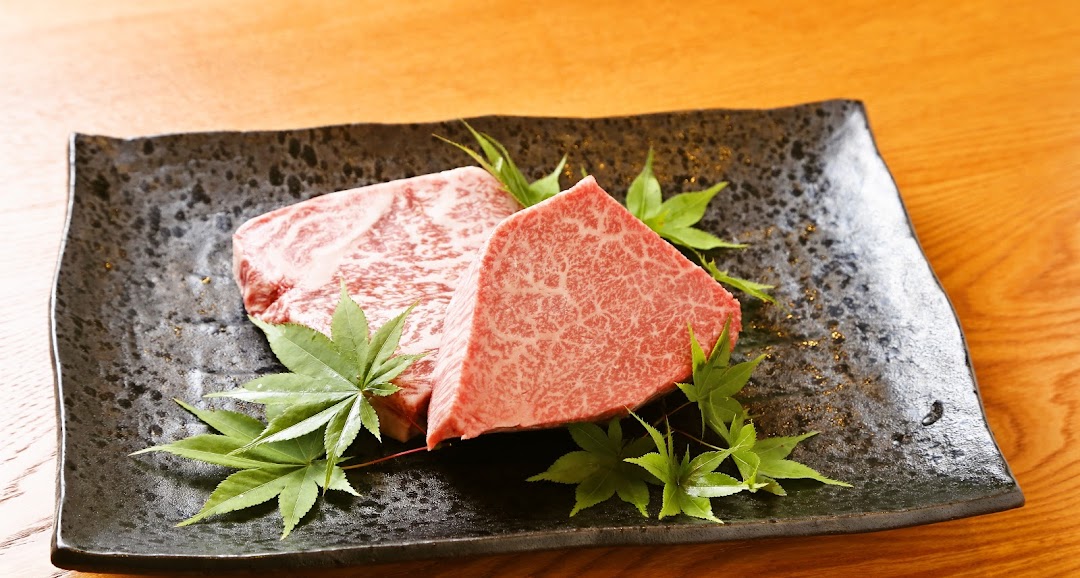
Hida beef from Takayama is known for its delicate marbling and rich flavor, producing a buttery, tender texture that melts in your mouth. Hida beef also ranks among Japan’s well-known wagyu varieties alongside Kobe beef and Matsusaka beef.
Hida-gyu is popular across Gifu Prefecture from street food stalls to restaurants, served in many ways, like Hida croquettes, Hida beef nigiri, and other regional dishes.
In this article, we introduce restaurants in Takayama, Gifu, where you can try Hida beef in four Japanese cooking styles.
How Do Locals Enjoy Hida Beef in Takayama?
Ishiyaki 石焼き
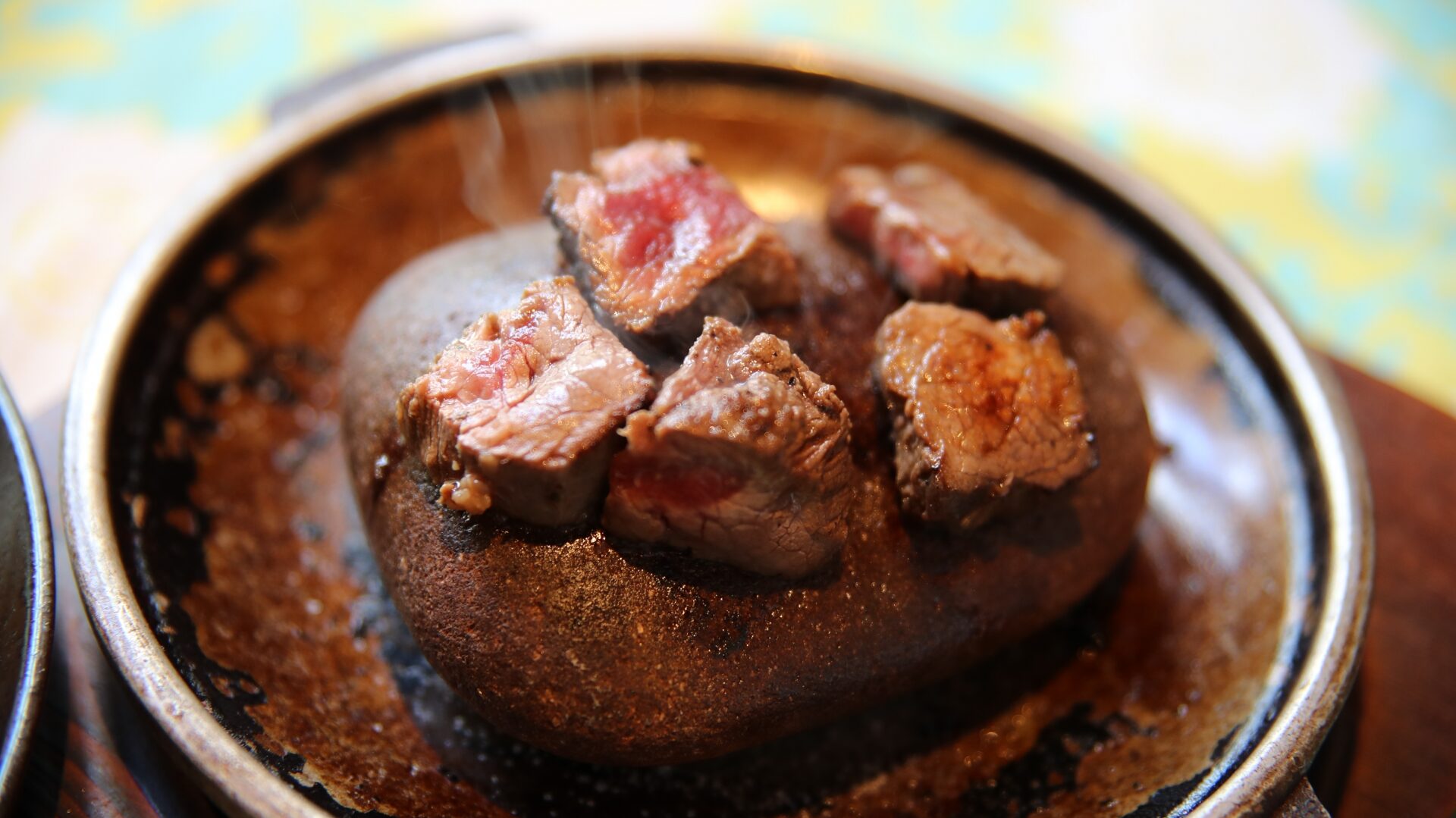
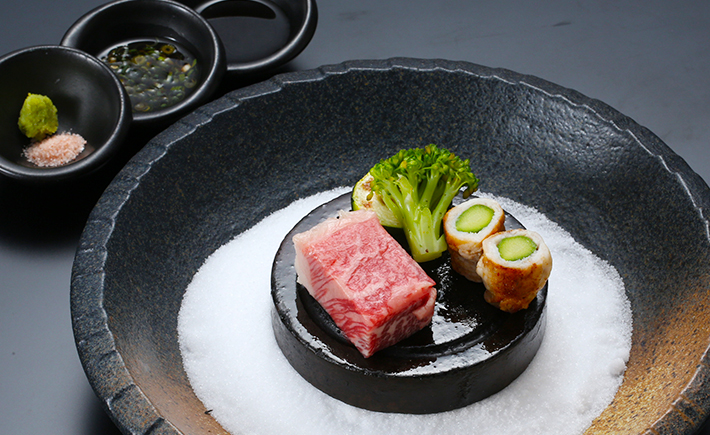
Ishiyaki is a traditional Japanese cooking method in which ingredients are cooked on a heated natural stone or lava stone. The stone retains heat evenly, allowing ingredients such as Hida beef to cook gently while retaining their natural juices and tenderness.
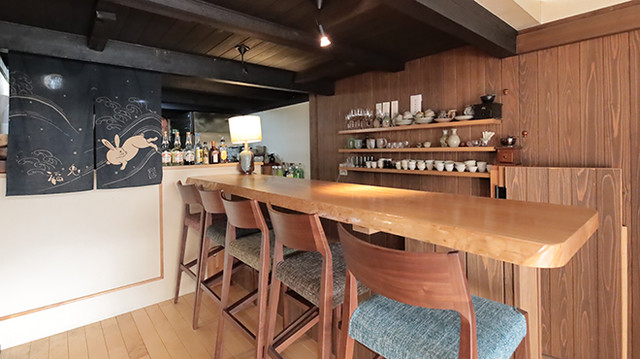
Nonohana is a traditional Japanese restaurant housed in a century-old wooden building, where Hida beef is cooked using yogan-yaki, a style of ishiyaki that uses a hot lava stone plate, and served alongside handpicked local Takayama sake.
Guests can also enjoy handmade soba (buckwheat noodles) made with spring water from Okuhida in Takayama, while the dashi (dipping broth) is made using Hidaka kombu (edible kelp) from Hokkaido.
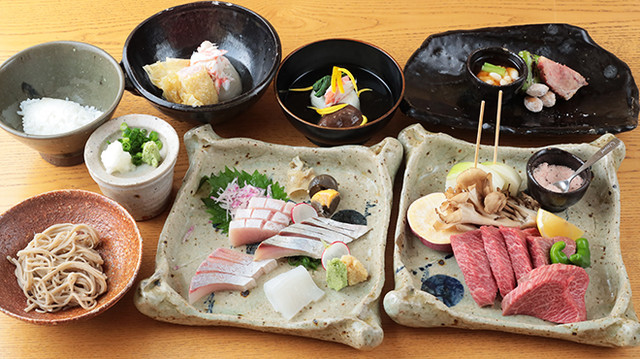
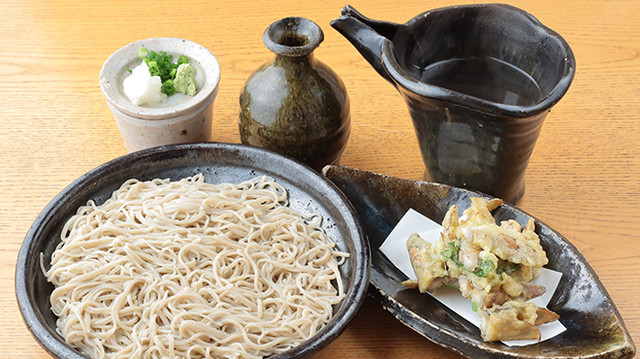
Book the 6-Course Kaiseki with Handcrafted Soba & Ishiyaki Hida Beef
Teppanyaki 鉄板焼き
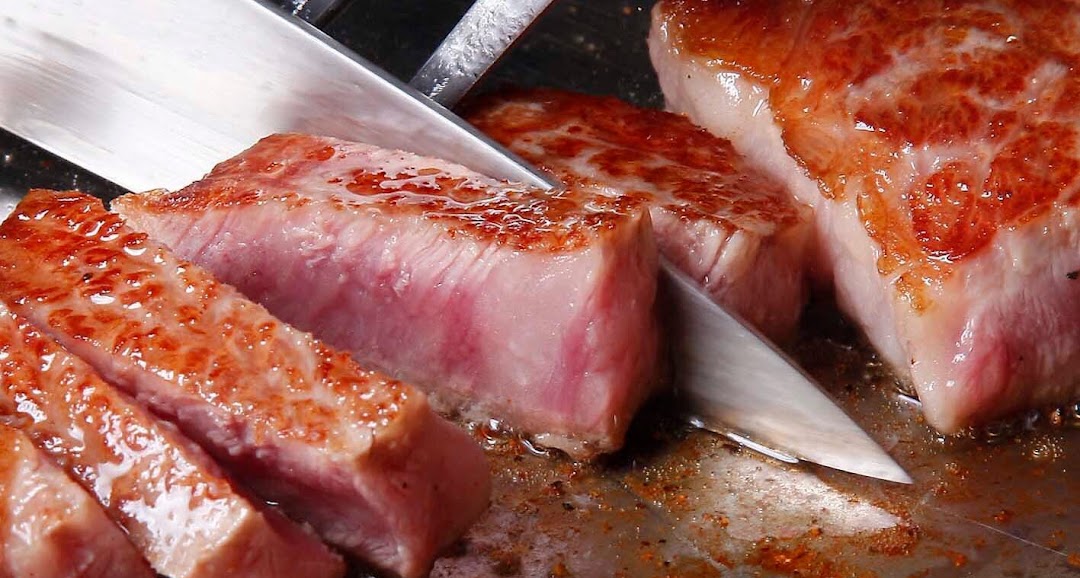
Teppanyaki is a Japanese cooking style where chefs grill ingredients directly on a hot iron plate in front of guests, creating a memorable visual performance. The word teppan means “iron plate,” while yaki means “grilled” or “broiled” in Japanese.
At Teppan Tanaka, a restaurant that serves only two groups per day, the chef brings over 30 years of experience in Japanese cuisine. Enjoy a live counter teppanyaki experience featuring grilled A5 Hida beef alongside the freshest local ingredients while overlooking the restaurant’s scenic Japanese garden.
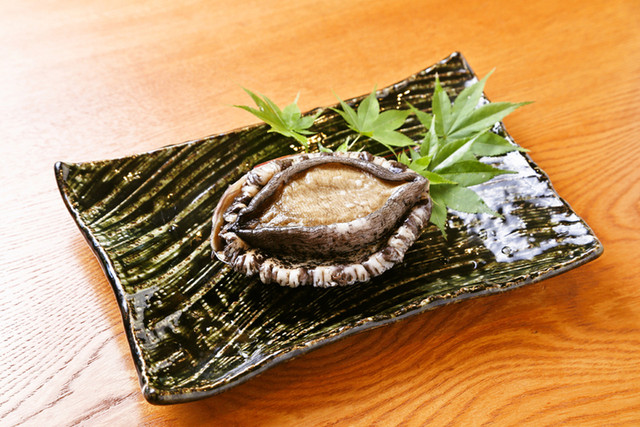
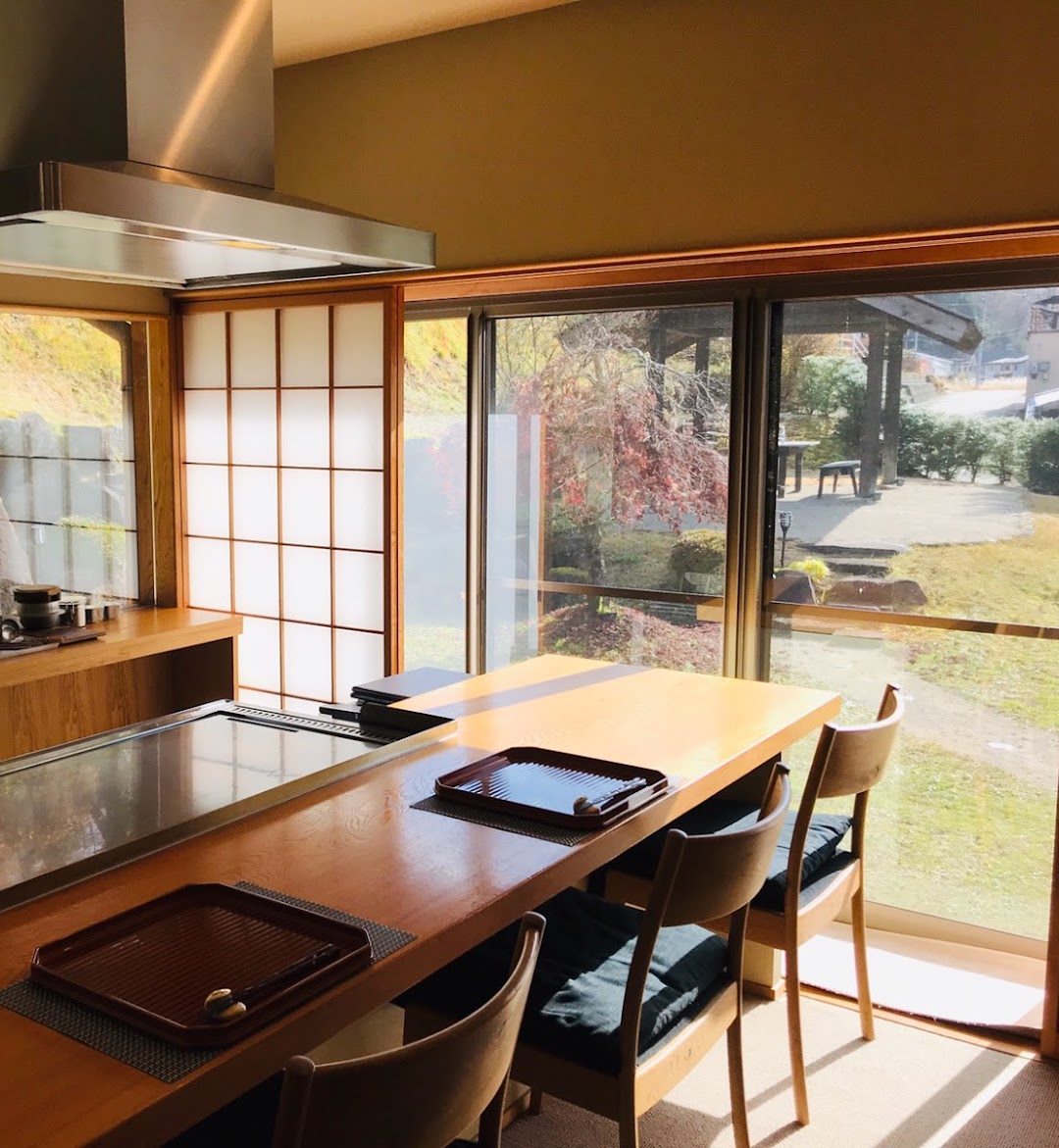
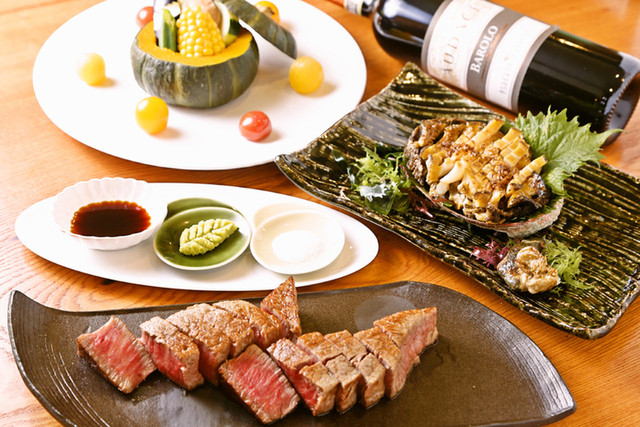
Book the 8-Course Premium Teppanyaki Kaiseki
Shabu-Shabu しゃぶしゃぶ
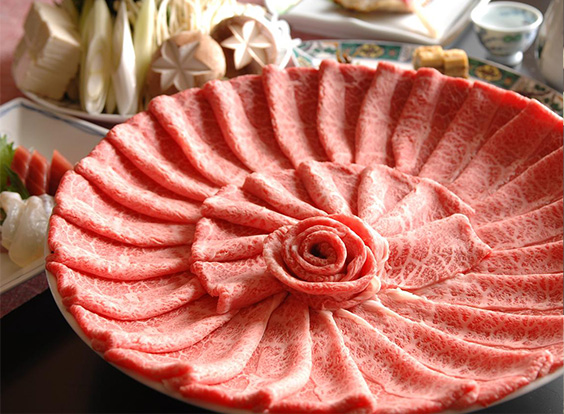
In shabu-shabu, thin slices of beef are briefly cooked by dipping them in a light broth. Once cooked, the beef is then enjoyed with seasonal vegetables and various dipping sauces that allow diners to savor the quality of the beef.
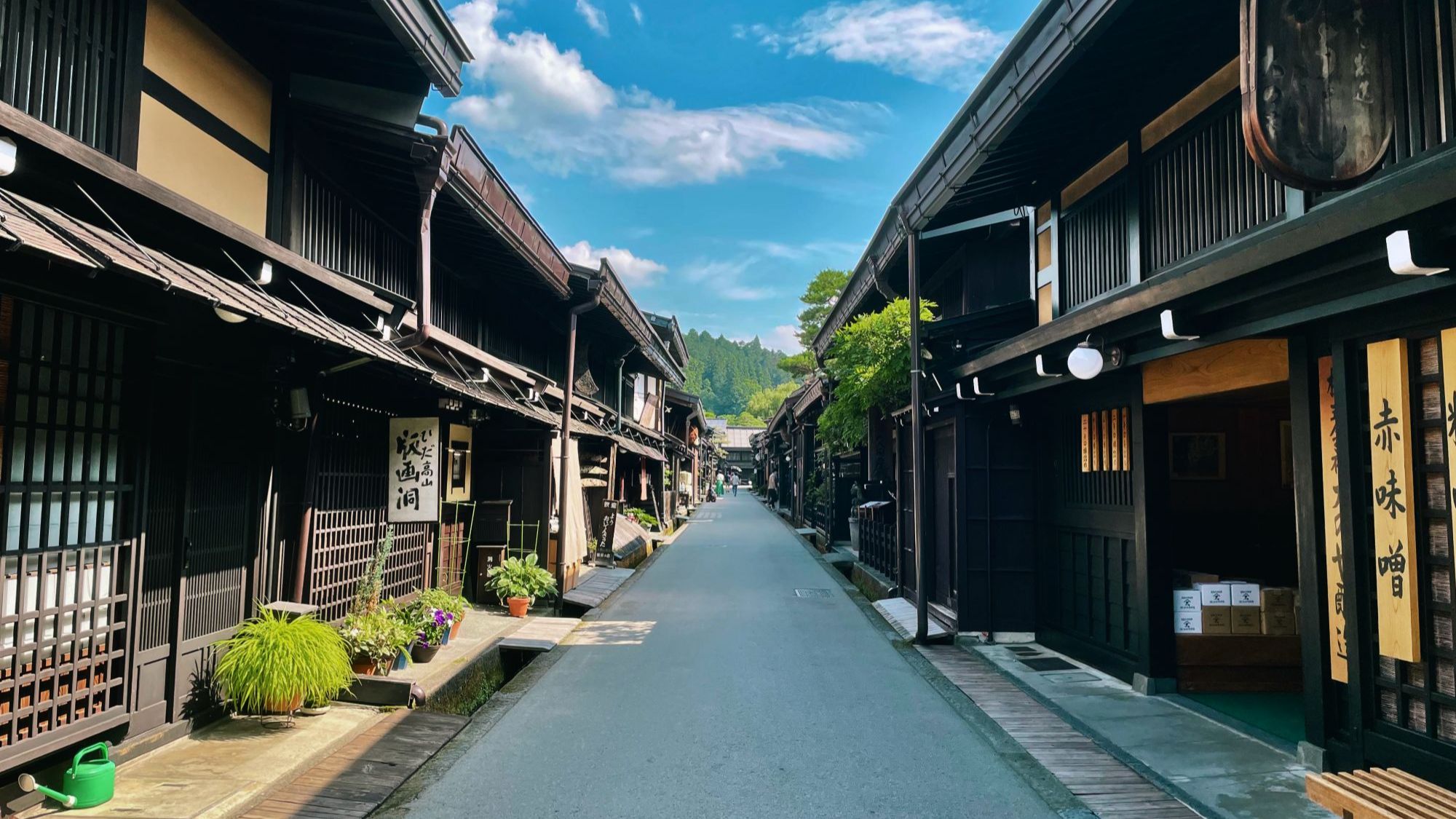
At Yagura, a restaurant near Takayama’s historic Old Town, guests can enjoy top-grade A4–A5 Hida beef served with local vegetables and seasonal mountain herbs from the Hida region. The restaurant has been serving shabu-shabu and Hida beef dishes for over 40 years. The shabu-shabu kaiseki course features grilled Hida beef skewers, together with seasonal dishes prepared using ingredients from the Hida region.
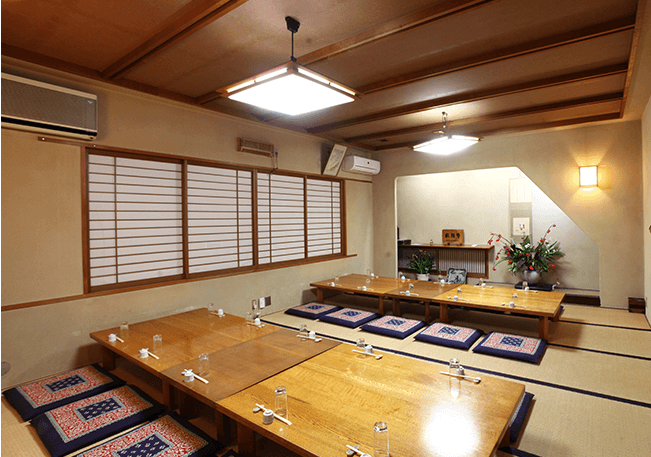
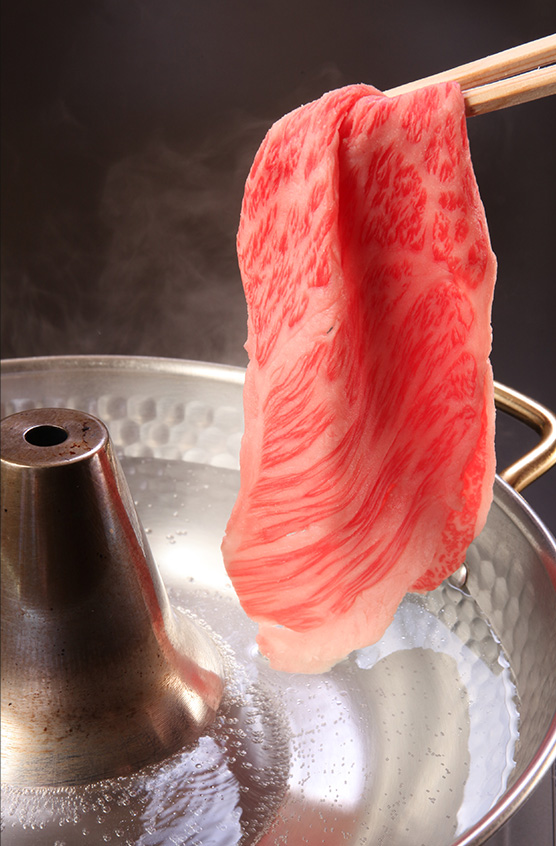
Book the 7-Course Hida Beef Shabu-Shabu Kaiseki
Sukiyaki すき焼き
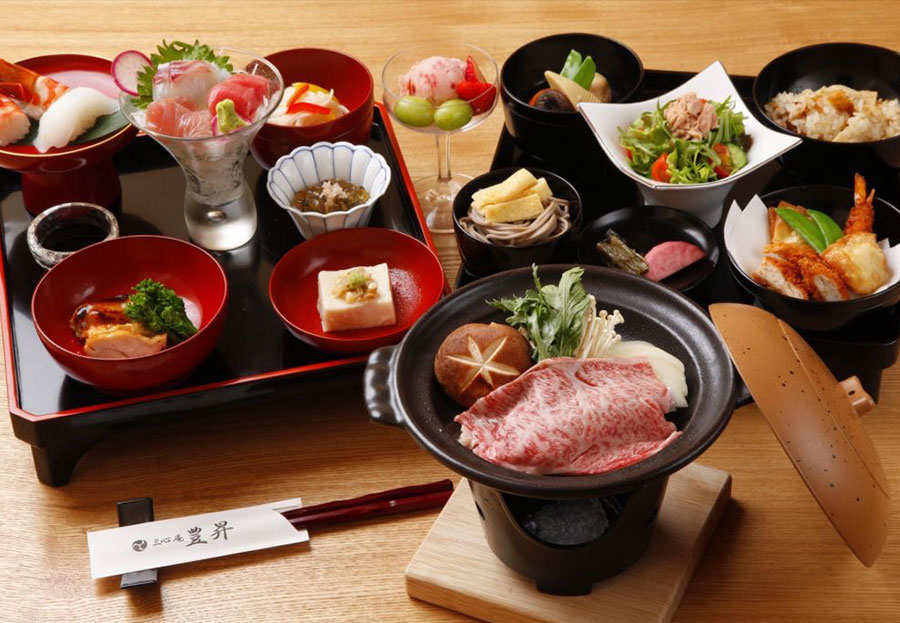
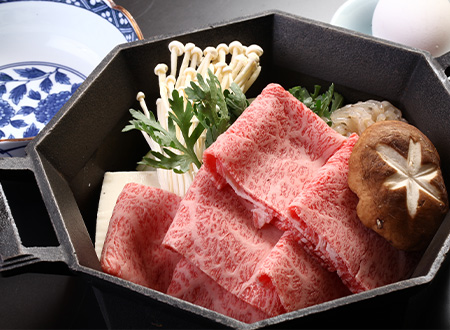
Sukiyaki is another popular Japanese hot pot dish where thinly sliced beef is simmered in a sweet and savory soy sauce-based broth with vegetables, tofu, and other ingredients, before being dipped into beaten raw egg.
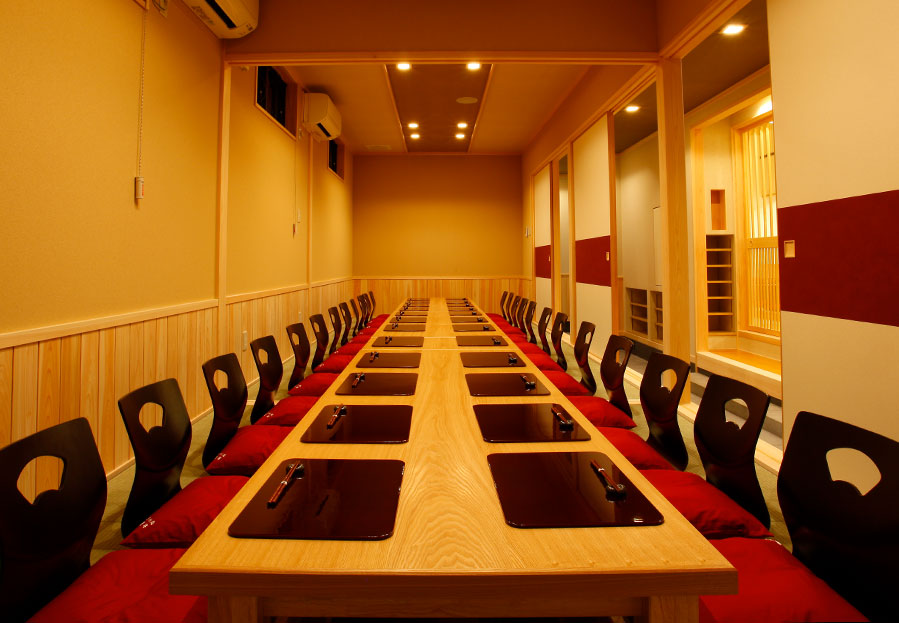
Located just west of Takayama Station, about a five-minute taxi or bus ride away, Mishin-an Hosho is a restaurant serving premium Hida beef alongside fresh ingredients sourced from Kanazawa and Shizuoka prefectures. The chef prepares each kaiseki menu according to the changing seasons, highlighting the flavors of Hida wagyu beef.
Book the 11-Course Hida Wagyu Beef Sukiyaki Kaiseki
We hope this guide helps you discover different ways to enjoy Hida beef and makes it easier to choose from our selection of locally loved restaurants in Takayama.