Kaiseki is a traditional Japanese multi-course culinary tradition that originated in Kyoto, rooted in tea ceremony culture, Buddhist cooking, and the seasonal produce unique to the Kyoto basin. If you are planning a kaiseki dinner, Kyoto city has everything from classic kyo-kaiseki to tempura, sushi, vegetarian kaiseki, wagyu teppanyaki and more.
At MACHIYA LOCALS, we select kaiseki restaurants based on genuine local recommendations rather than star ratings or critic scores. Every restaurant on our platform is personally recommended by our Kyoto-based team, so you can be confident you are getting a real local experience. Keep reading to find the best kaiseki restaurants in Kyoto, as recommended by locals!
Did kaiseki originate in Kyoto?
Yes, kaiseki originated from Kyoto’s tea ceremony culture, where tea masters served small, refined dishes alongside tea during gatherings. Over time, these simple meals evolved into the multi-course kaiseki cuisine we know today.
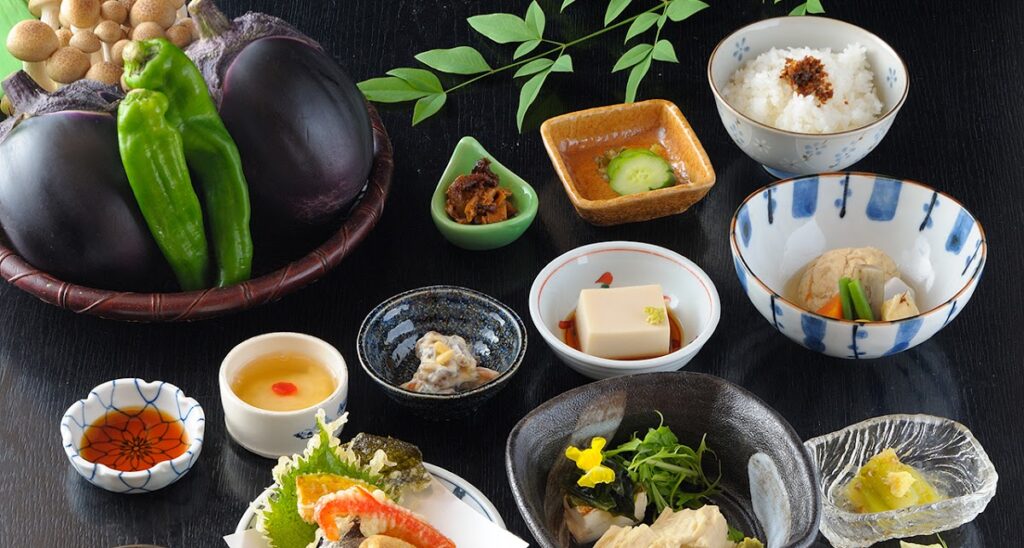
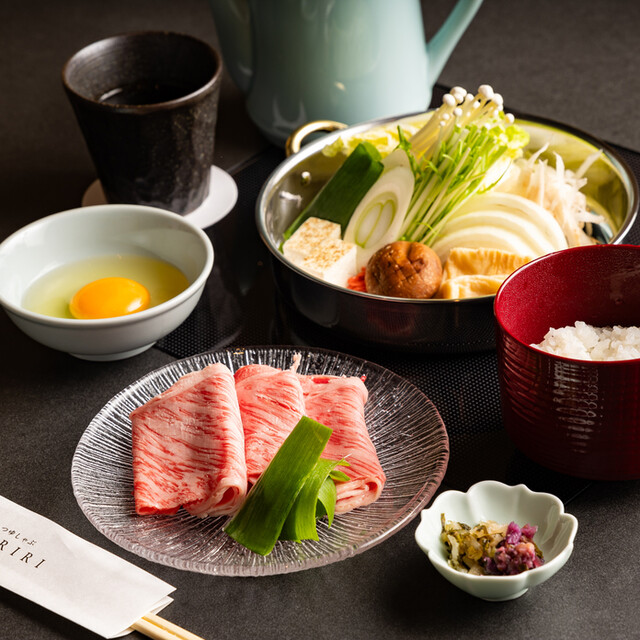
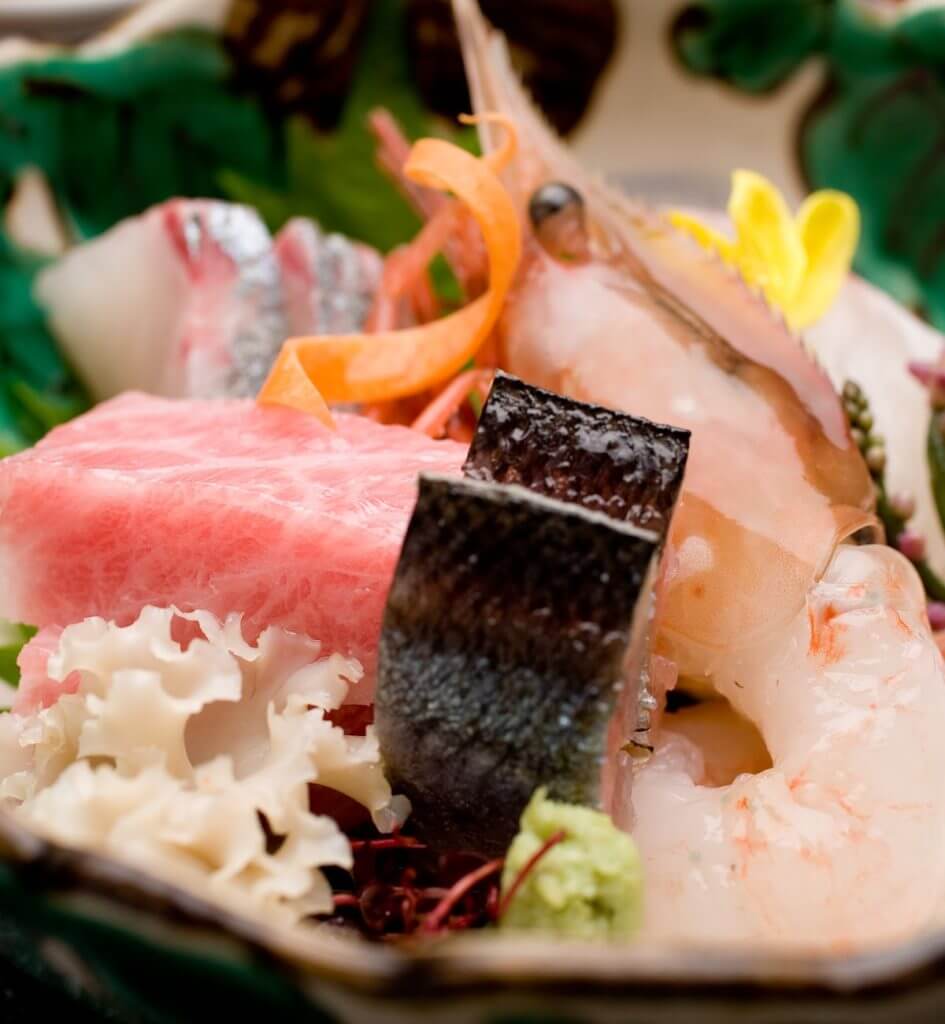
Kyoto-style kaiseki is deeply connected to the region’s surrounding environment. Many Kyoto kaiseki often features kyo-yasai (traditional local vegetables) such as kamo nasu (eggplant), kujo negi (leeks), and shishigatani kabocha (squash). Additionally, the soft water of the Higashiyama area contributes to Kyoto’s delicate dashi, giving the cuisine its signature subtle and refined flavor.
How to book kaiseki in Kyoto
Most guides to the best kaiseki in Kyoto are lists of Michelin-starred restaurants. While many of those places are excellent, Michelin recommendations represent only a fraction of what the city has to offer and rarely reflect where locals actually dine.
At MACHIYA LOCALS, every restaurant on our platform is chosen by our Kyoto-resident team — people who eat here regularly and recommend places they would take their own family, friends, and partners to. This includes hidden gems alongside more well-known names.
Types of Kaiseki in Kyoto
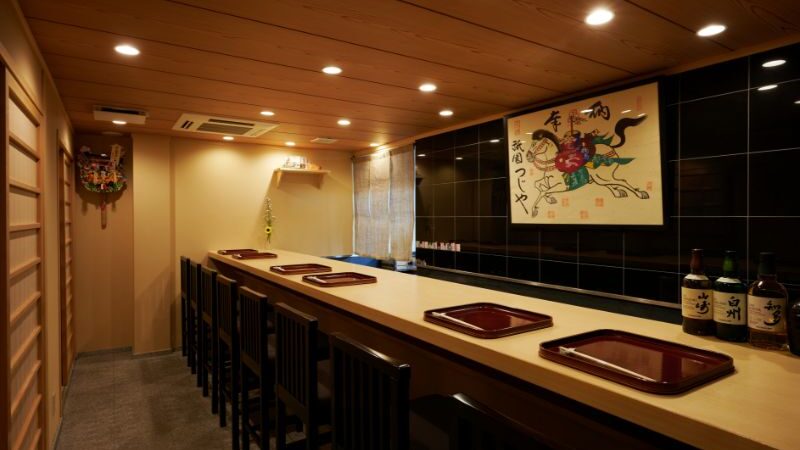
Kaiseki embodies a dining philosophy centered on seasonality, balance, and simplicity, rather than a fixed menu. It is applied across many different ingredient traditions and culinary styles. MACHIYA LOCALS offers these eight kaiseki categories in Kyoto: Kyoto Kaiseki, Tempura Kaiseki, Sushi Kaiseki, Teppanyaki Kaiseki, Yuba & Tofu Kaiseki, Sukiyaki & Shabu-Shabu Kaiseki, and Unique Kaiseki.
Traditional Kyoto Kaiseki (Kyo-kaiseki)
The most direct expression of Kyoto’s culinary tradition. Seasonal vegetables, delicate dashi stock, and presentation rooted in tea ceremony culture. This is the style most closely associated with the city. Browse: machiyalocals.com/area/kyoto/kyoto-kaiseki/
Tempura Kaiseki
Seasonal ingredients, including Kyoto vegetables, fresh seafood, and mushrooms, fried lightly and woven into a full kaiseki sequence.
Browse: machiyalocals.com/area/kyoto/tempura-kaiseki/
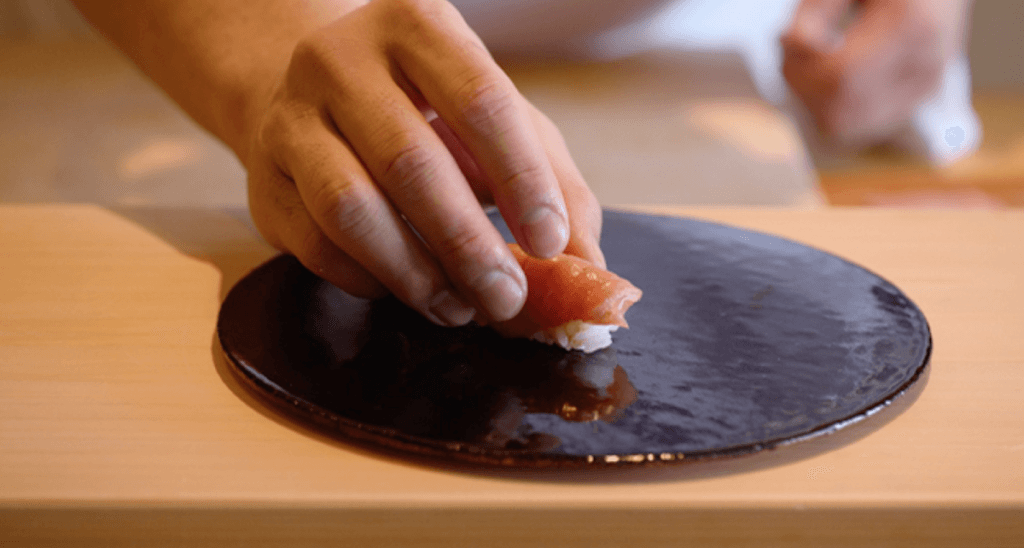
Sushi Kaiseki
Omakase sushi structured into a multi-course kaiseki framework. The chef selects fish based on what is best that day, paired with traditional accompanying dishes.
Browse: machiyalocals.com/area/kyoto/sushi-kaiseki/
Teppanyaki Kaiseki
Premium wagyu beef and seasonal produce cooked on an iron griddle in front of you. Experience teppanyaki dining applied with kaiseki structure and pacing.
Browse: machiyalocals.com/area/kyoto/teppanyaki-kaiseki-dinner/
Yuba and Tofu Kaiseki
A Kyoto specialty. Fresh yuba (tofu skin) and silken tofu prepared at their most refined. Often influenced by Buddhist temple cuisine traditions that Kyoto is known for. Browse: machiyalocals.com/area/kyoto/yuba-tofu-kaiseki/
Sukiyaki and Shabu-Shabu Kaiseki
Premium beef cooked in hot pots, served with the structure and care of a full kaiseki course. Works well for a group dinner. Browse: machiyalocals.com/area/kyoto/sukiyaki-shabu-shabu/
Unique Kaiseki
Chefs who follow kaiseki principles while doing something different. Creative multi-course experiences that are distinctly Kyoto but do not fit neatly into any other category. Browse: machiyalocals.com/area/kyoto/unique-kaiseki/
Vegetarian-Friendly Kaiseki
Full kaiseki courses that accommodate plant-based diets, often drawing on Kyoto’s shojin ryori (Buddhist cuisine) heritage. Browse: machiyalocals.com/search/vegetarian-friendly-kaiseki-dining-in-kyoto/
How to Book Through MACHIYA LOCALS
- Choose a kaiseki style from the categories above or browse the full Kyoto listing at machiyalocals.com/area/kyoto/
- Select a restaurant and date. Each listing shows availability, course options, and pricing.
- Submit your reservation inquiry. The MACHIYA LOCALS team contacts the restaurant and sends you a confirmation once it is secured.
- As all kaiseki reservations are pre-paid as soon as a table has been secured, you don’t need to worry about payment when arriving in Japan.
- All practical information you need before you arrive will be communicated via email.
Frequently Asked Questions
What is the best kaiseki restaurant in Kyoto? It depends on what kind of experience you want. MACHIYA LOCALS organises reservations across vairous kaiseki categories, all selected by our Kyoto-based team based on local reputation rather than ratings. Browse the full selection at machiyalocals.com/area/kyoto/
How much does a kaiseki dinner in Kyoto cost? A kaiseki dinner typically costs between 8,000 yen and 30,000 yen per person, depending on the restaurant and number of courses. Take a look at each MACHIYA LOCALS pricing listed on each kaiseki menu page.
Do I need to book in advance? Yes. Reservations are required at virtually all kaiseki restaurants in Kyoto. As most kaiseki restaurants prepare ingredients & courses in advance with limited seatings, we recommend booking at least 3 to 7 days in advance.
Is kaiseki suitable for vegetarians? Traditional kaiseki includes fish and meat. However, Kyoto has a strong plant-based tradition through shojin ryori, and several restaurants can accommodate vegetarians with advance notice. MACHIYA LOCALS has a dedicated vegetarian-friendly kaiseki category for Kyoto. Always mention dietary requirements when booking to make the reservation process smooth.
What should I wear to a kaiseki restaurant? We recommend dressing in smart-casual attire. Please avoid shorts, sportswear, and sandals. Depending on the restaurant or your seating, you may be asked to remove your shoes at the entrance, so be sure your socks are presentable.